
A comprehensive, individualized approach to understanding behavior and identifying meaningful paths towards progress.
CORE Methods provides in-depth behavioral assessments for students experiencing persistent behavioral, emotional, social, or educational challenges.
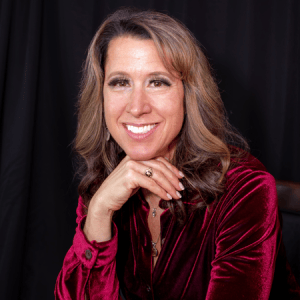
Conducted personally by Dr. Bethany Bilodeau, each assessment goes beyond identifying observable behaviors to explore the underlying factors that may influence a student’s experiences, responses, and ability to participate successfully in their educational environment.
The goal is to provide schools, educators, and families with a clearer understanding of the individual’s needs and practical recommendations for creating meaningful, sustainable change.
Understanding the Individual Behind the Behavior
Behavior does not occur in isolation. Emotional experiences, neurological and sensory processing, relationships, communication, environmental demands, and previous experiences can all influence how a student responds to the world around them.
Dr. Bilodeau approaches behavioral assessment with an understanding of these interconnected factors, considering both the student’s individual needs and the environments in which challenges occur.
Her work incorporates direct observation of behavior, communication, movement, gestures, and facial expressions alongside information gathered from educators, families, and existing documentation.
Rather than relying on any single observation or predetermined explanation, the assessment brings together multiple sources of information to develop a more complete understanding of the student and identify opportunities for effective support.
What the Assessment Involves
Each assessment is individualized to the student and their circumstance. The process generally includes:
Review of Existing Documentation
A review of relevant school records, previous evaluations, behavioral documentation, and other information provided by the referring district or educational team.
Interviews with Parents and School Staff
Conversations with the people who know and support the student to better understand behavioral patterns, strengths, challenges, history, and current needs.
Direct Observation and Interaction
Dr. Bilodeau personally observes and interacts with the student to better understand their responses, communication, behavior, and experiences within the educational environment.
Analysis and Recommendations
Information from the assessment is considered together to identify contributing factors, recognize existing strengths, and develop individualized strategies for supporting behavioral, emotional, and educational progress.
What You’ll Receive
Following the assessment, Dr. Bilodeau prepares a comprehensive written report that organizes the findings and provides recommendations to help guide future planning and intervention.
The report includes:
- Reason for Referral: The concerns and circumstances prompting the assessment.
- Summary of Documentation Received: Relevant background information and existing evaluations.
- Observation: Findings from direct observation and interaction.
- Intervention Strategies and Procedures: Approaches and supports identified through the assessment.
- Summary: An overview of assessment findings.
- Recommendations: Individualized guidance for supporting the student moving forward.
- Attachments and Reference Information: Supporting material and relevant references, as applicable.
The goal is to provide a practical resource that educational teams and families can use to inform decisions, strengthen support strategies, and develop a more individualized path forward.
Experience & Professional Background
Dr. Bethany Bilodeau brings extensive experience in human behavior, behavioral intervention, trauma-informed practices, and individualized educational support.
She holds a Doctorate of Arts in Leadership, with dissertation work focused on behavior change, and has completed training and certifications across a range of behavioral and therapeutic approaches.
Her experience includes the study of nonverbal communication, facial expressions, sensory processing, and the influence of neurological and environmental factors on behavior.
This multidisciplinary background informs an assessment process centered on understanding the individual rather than simply addressing the behavior.
Assessment Time & Fees
Behavioral assessments typically require 14–20 hours, depending on the student’s needs.
$300
Per Hour
$4,200–$6,000
Estimated Total
Charges are based on actual hours worked.
Request a Behavioral Assessment
Understanding the factors contributing to behavioral challenges is an important step toward developing effective, individualized support.
If your school or educational team is seeking a comprehensive behavioral assessment, CORE Methods welcomes the opportunity to discuss the student’s needs and determine appropriate next steps.

