
By: Dr. B
You may be saying to yourself, “will” become disruptive? we HAVE disruption.” I am sorry if you do, and if that is the case check out our posts at #thebehaviorbootcamp. The National Center for Education Statistics states that there is a 56% increase in disruptive behaviors in public schools. Aggression and outburst activity is at an all-time high (2022). Holy Moly! That is so evident when I walk into schools, and I can’t even take off my backpack before I am already de-escalating students in crisis. I just move from one to another getting them back to a point of being able to reintegrate. Educators are exhausted, the students are exhausted, and it’s very challenging to teach. So how can you see it coming so you can head it off at the pass?
Here are my top 10 signs students will become disruptive.
1. Blurting – some students just can’t seem to follow the protocol for attention. It
could be they are impulsive or that they are so excited about their idea, blurting
when it relates to what is being taught is redirectable. However, blurting that
doesn’t contribute will often be a sign of more things to come. I had a student years ago, and in middle school it was always the indicator that he was going to lay on the floor or start making inappropriate sounds if he started yelling, “Spongebob!!!”
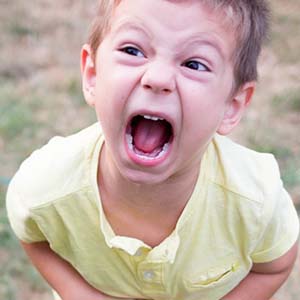
2. Disrespect toward the teacher or peers – students that have that tone, I am sure you know what I am talking about, or that constantly question or say things that are rude – this degrades culture and often invites copycat behavior.
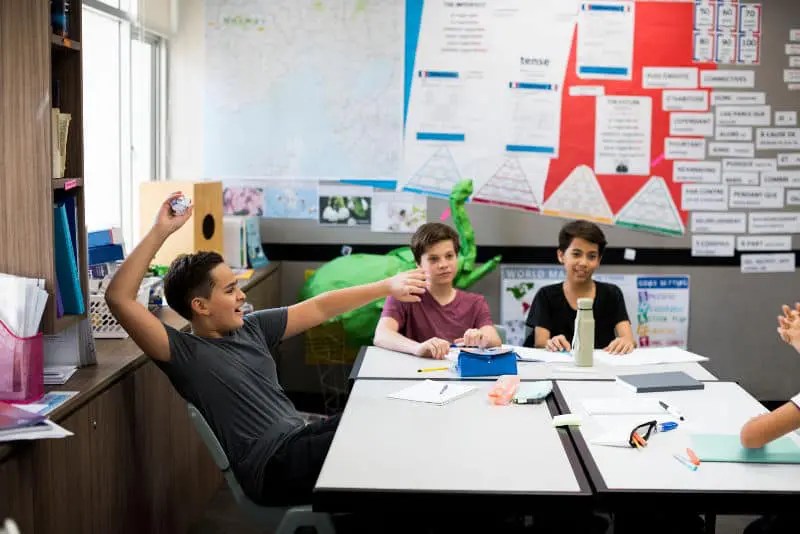
3. Body Splays – the more territory the student takes up, typically the more they do not respect the authority – finding a way to limit their space is super helpful. The structure of their body just encourages a disengaged passive stance and it won’t move them to doing academics.
4. Constant requests for the bathroom, water fountain or the nurse – typically more than 2 per a one-hour block is considered excessive. It could also be that they spend significant time there. I will be the first to say that sometimes you need some bathroom time – it happens – however, making daily requests isn’t good for classroom engagement or completing work.
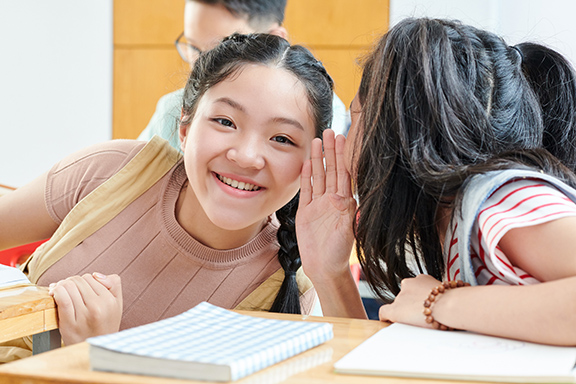
5. Cross-Dialogue with Peers – that isn’t related to the current lesson. This could be
verbally, non-verbally, or through a device.
6. Lack of eye contact – and not because they are looking down at their work but because they are avoiding eye contact or are not engaged.
7. Periodic Perching – that sounds like it should be something fancy, doesn’t it? It just means that they are moving to the edge of their seat, and sometimes they are glancing around also, but it’s typically because they are bored and are trying to wake themselves up.
8. Continuous body motion – this could be because they look angry or just because
they can not sit still, which will often lead to more impulsive behavior. With
elementary aged students look for weight on the balls of the feet and circling
movements. These are a dead give away that things are not going to go well….
9. Scanning eye gaze – I will often ask staff in trainings what they are looking for when
they are scanning like this… PREY, that is what they are looking for. They are seeking something to provide them with the feedback they are looking for.
10. Dropped chin – and they aren’t reading or writing – this can often lead to a body splay.
Whereas one of two of these signs from a specific student may mean they need a bit of redirection, if you have several students engaging in some of these signs it will quickly lead to further disruptions and crisis behavior in a class. Some mixes of students are challenging, and those groups need more sensory regulating support, they may also need more skill building. Check our top tips to engage and connect if you need some
support.
For More Tips and Strategies Check Out http://www.core-methods.com or http://www.thebehaviorbootcamp.com
References
National Center for Education Statistics. (2022, July 12). Press release – more than 80
percent of U.S. public schools report pandemic has negatively impacted student behavior and
socio-emotional development – July 6, 2022.
https://nces.ed.gov/whatsnew/press_releases/07_06_2022.asp

