

“I need to talk to you about how you have so much energy,” my soon to be sister-in-law states.
It is no secret that I have ADHD, and aside from people often inquiring about my high energy, they also ask how I can focus on a task. To be honest, I have spent years training my brain and trying to get myself to focus. I know that when I do high intensity exercise I am able to focus better, and this is because the amino acids are pushed into the muscles, along with blood flow increasing to the front of the brain. That is why we often include an element of movement in our programs, because many of the students that we work with also display ADHD symptoms. We also encourage them to drink water.

Dehydration itself can present as ADHD symptoms, such as an inability to focus, repetitive movement (this is to keep oneself awake), and sometimes anxious energy. Hydration helps to ensure that the neurohormones needed to focus are created, and that blood can flow more easily. Hydration and movements are tricks that we use at school, but at home there are many more strategies we can use to set people up for success.
Here are my hacks:

1. Omega 3’s: Your brain loves fat and eats it like we would consume candy. The healthy fat of Omega 3’s allows your brain to heal, and studies have shown that it can reduce anxiety, stress, and suicidal ideation. My own daughter can’t swallow pills easily, so I put some fish oil in a small cup along with some juice to hide the flavor, along with her other supplements that she takes, and she drinks it before heading to school each morning.
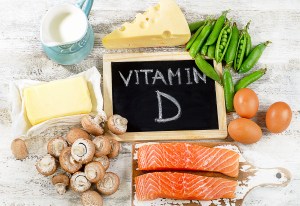
2. Vitamin D: Many people are deficient in Vitamin D, as they have limited sun exposure during much of the year, or they have a lifestyle that is more indoors (children in school, those that work inside). Vitamin D plays a role in many processes within the body, such as mood regulation, cognitive performance and learning. A daylight lamp can be a good option to increase Vitamin D, and over time is less expensive than taking a supplement. We see a marked increase in anxiety and depression amongst our students in November and December. Part of this is that the holidays can create a lot of stress with unmet expectations, but much of it is also due to the decreased sunlight and decreased outdoor exposure. Vitamin D is one of the vitamins that testing is recommended for, as this can determine if you have too much or too little, either of which can be detrimental.
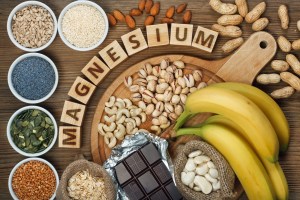
3. Magnesium: More than 85% of people are thought to have a magnesium deficiency, which can have a negative impact on overall health; impacting immune health, metabolic health, mental health, muscle function, and leading to chronic disease (Hyman, 2022). Many people use melatonin, and for adults this can be life-changing for those with sleep issues. However, if used long term, your body can reduce its creation of melatonin. Magnesium can aid in calming the body and it can also help with sleep. Many of us can benefit from taking magnesium. There are some great powders, gummies, etc. to help increase magnesium levels, and for those that don’t enjoy drinking plain water, magnesium powder can help to both add flavor and increase magnesium levels in the body.
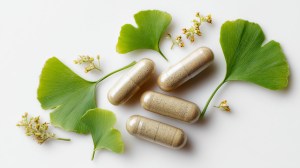
4. Ginkgo Biloba: Long thought to support the brain in aiding with memory and improving cognitive function, Gingko actually helps to increase blood flow to the brain, which helps to oxygenate the prefrontal cortex and other areas of the brain. This supplement can be found in a variety of forms, but is also quite low cost if purchased as a powder.
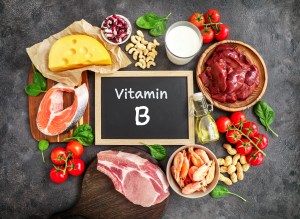
5. Vitamin B: Now looked at in some countries, like New Zealand, as an aid for anxiety, many people find positive effects with having a higher than the daily recommended amount of Vitamin B. This group of vitamins contains many different vitamins, and many people are deficient in some of the B’s, especially B12, which is largely due to sanitation practices with food preparation. For those of you that remember grabbing a vegetable from the garden and eating it without washing it first, that extra dirt helped you to increase your B12! I take mine as chewable pills that taste like candy, but actually have a bit of stevia to sweeten them.
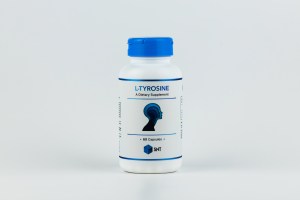
6. L-Tyrosine: A building block for dopamine, those that experience ADHD, ADD, and many mental health disorders are dopamine deficient. L-Tyrosine supplements help to give a better chance that dopamine can be created in the brain. I add mine as a powder to my morning coffee.
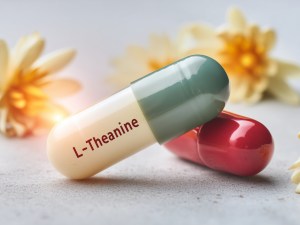
7. L-Theanine: I have seen this supplement work wonders for those that are more prone to anxiety and also those that hyperfocus or ruminate on issues. This supplement is beneficial as it helps to calm the brain.
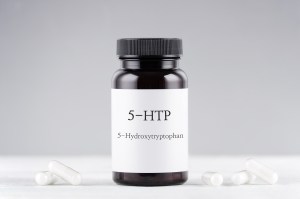
8. 5HTP: This supplement is a building block for Serotonin. Serotonin and Dopamine work together within the brain, as when one increases, the other typically decreases. Serotonin also interacts with Melatonin, as Serotonin is known as the waking neurohormone, whereas Melatonin is known as the sleeping hormone. Therefore, 5HTP not only helps to create Serotonin, but can also help to encourage Melatonin production.
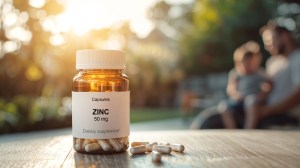
9. Zinc: Many of us are deficient in Zinc, and for those that experience ADHD, zinc helps to alleviate the symptoms. There is also research that supports its effect in reducing aggressive tendencies (Howard, 2009). Most people take zinc as a way to bolster their immune system, and it does help to give the immune system a boost. Zinc is one of those minerals where it is good to take a break from it periodically. I will say that if you take multi-minerals that come with zinc, it is easy to get an abundance of zinc and just a reminder that zinc and copper work together.

10. Adaptogens: Okay, I know this is kind of cheating as this is a category of supplements. Adaptogens are active ingredients in plants and mushrooms that impact how the body manages stress, anxiety and fatigue. My favorite adaptogens are Ashwagandha, Rhodiolia, and Medicinal mushrooms such as cordyceps and chaga. I drink mushroom coffee daily and I really like the taste of it. It’s also a great way to get more of these items into my diet. I also love Chaga tea, which I think tastes like sweetened coffee, and I drink tons of it in the winter. I add Ashwagandha to smoothies and juices, as it helps to calm the body and nervous system. Rhodiola is an herbal adaptogen that can be consumed as a capsule, tablet, powder, or tea. This adaptogen can help the body manage stress, reduce fatigue, and improve mental and physical performance.
It does matter when you take these supplements and with what, as specific things can counteract others or render something less useful. For instance, it is more helpful to take Vitamin D prior to being exposed to full sunlight, and after eating certain foods, such as bone broth, as these things can assist with absorption. It is also more effective to consume Vitamin D after completing exercise or another movement practice. Magnesium is helpful at almost all times, but taking it later in the day will help to calm the body and prepare it for sleep.
It is important to always consult your physician to see which vitamins, minerals, and supplements are right for you, as it is possible to have too much of a good thing. With the right guidance, these tools can be used intentionally to help support you in a way that works best for your specific needs. It’s powerful to know that you can tweak vitamins, minerals, and supplements to increase your performance and support your brain.
References
Howard, J. (2009). American College for Advancement of Medicine. Zinc and Copper Levels are Key Factors in ADHD/ADD. Retrieved from: https://www.acam.org/blogpost/1092863/185739/Zinc-and-Copper-Levels-Are-Key-Factors-in-ADHD-ADD
Hyman, M. (2022). How To Know If You’re Magnesium Deficient And What To Do About It. Apple Podcast. Retrieved from: https://podcasts.apple.com/us/podcast/how-to-know-if-youre-magnesium-deficient-and-what-to/id1382804627?i=1000578366962

